Maximize Senior Safety with Alert Devices
June 27, 2026Seniors, their families, and care providers face a shared priority. Keeping older adults safe at home while keeping their independence is a daily concern. Alert devices play a clear role in that balance by connecting a person in need with help quickly and by reducing the time a medical event can go unattended.
This article looks at how to maximize senior safety with alert devices. You will find practical tips for choosing hardware and service plans, real world examples of how devices perform, and a checklist of features that matter most. Read on to compare options, avoid common pitfalls, and set up a system that fits a specific lifestyle.
Maximize Senior Safety with Alert Devices
Maximizing safety starts with matching a device to the person who will use it. For an active senior who takes daily walks a wearable with cellular service and GPS tracking may be ideal. For a senior who spends most time at home a base station with a fall sensor and a reliable two way speaker may work better. Consider mobility, hearing and vision limits, any cognitive changes, and the local environment before choosing a device.
Cost and response model are part of the choice. Some devices have a one time purchase fee with optional monitoring, while others bundle hardware and 24 7 monitoring under a monthly subscription. Compare contract terms, cancellation policies, and refund windows. Try out equipment during a trial period where possible and practice a few simulated calls to see response time and clarity.
Types of Alert Devices and how they differ
Alert devices come in several formats. Knowing the pros and cons of each type helps match a unit to daily routines and risk factors.
Wearable pendants and bracelets
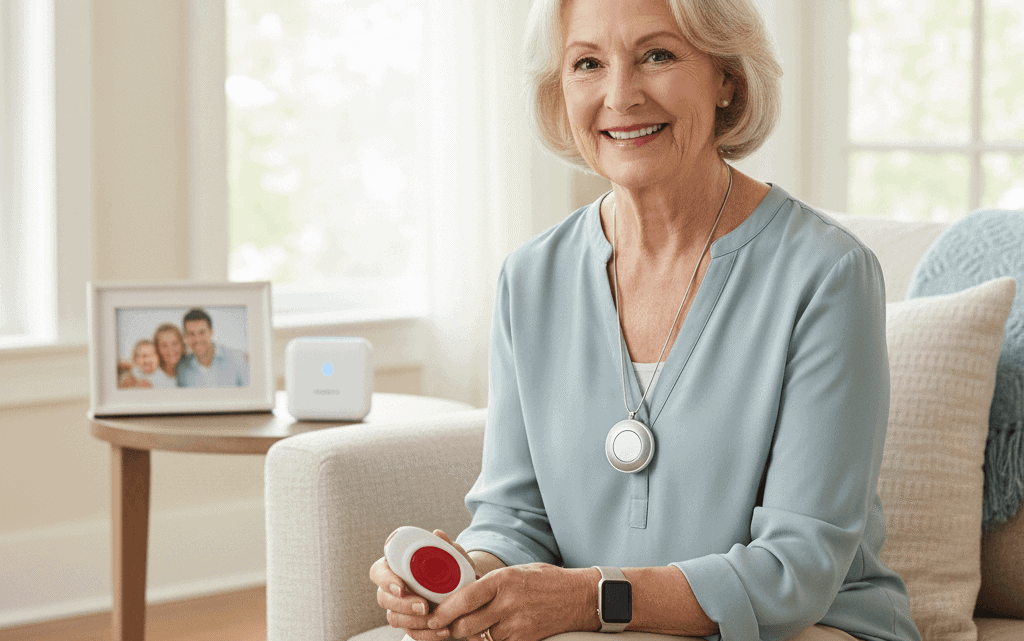
Wearables are compact and often water resistant so they are usable in the shower. Many models include a single press help button and a fall detection sensor. Look for battery life details and how the device alerts the monitoring center. A unit with GPS works well for those who leave home. For at home use a wearable that pairs with a base unit is a solid option.
Home based systems with base units
Base stations plug into power and connect to a landline or cellular network. They usually have loud speakers and a microphone for two way communication. Base units can link to door sensors and motion detectors and are often less likely to be misplaced than wearables. A base station new battery back up for power outages is essential for uninterrupted protection.
Key safety features to prioritize
Not every feature matters equally. Focus on capabilities that reduce response time and simplify use.
- Automatic fall detection Learn how sensitive the sensor is and what false positive rate the maker reports. Some units let you turn this feature off when needed.
- Two way voice Clear audio through a base unit or wearable reduces miscommunication during a call for help.
- GPS tracking Useful for community mobility and for locating someone who may be disoriented outside their home.
- Water resistance Many falls happen in bathrooms. Devices rated for shower use are more practical.
- Battery life and alerts Choose units that warn when battery is low and that send reminders to caregivers.
- Redundancy Cellular backup for a landline connected unit or battery backup for power loss reduces single points of failure.
Comparing costs and monitoring models
There are two common cost scenarios. One is a low cost device with paid monitoring. The other is a subscription that bundles hardware and monitoring. Upfront purchase can be less expensive over time if monitoring fees are minimal or if the senior prefers family based response only. Subscriptions can simplify setup and include features such as professional dispatch and 24 7 operator support.
When comparing plans ask these questions and write down the answers to compare side by side
- What is the monthly fee and is there an annual commitment
- Does monitoring include emergency dispatch or only call forwarding
- Are there fees for cellular data or GPS use outside the home
- What is the battery replacement policy and who pays
- Is there a trial period and how is a return handled
For additional detail on provider value and common use cases consult specialist reviews and hands on tests. A well written resource on models and monitoring options can help narrow choices before contacting vendors for demos senior alert devices.
Reliability, privacy and maintenance considerations
Device reliability depends on network coverage, battery care and physical durability. Test the speaker in various rooms and near windows to see how signal strength affects audio quality. If a device relies on a local landline check whether that phone line will remain active after a service provider change. Cellular models work where a mobile network is strong but may fail in areas with weak reception.
Privacy concerns are valid. Ask how data is stored and who can access location logs and recorded calls. Read the privacy policy for the monitoring service and make sure sharing settings match the seniors preferences. If a family member will have access to location tracking get explicit consent and explain how tracking will be used.
Integration with family care plans and emergency services
A good response plan defines who gets notified and how. Some families prefer a professional center to call 9 1 1 directly. Others want operators to call a list of family and neighbors first. Map out a contact cascade and keep numbers current. Practice the plan and note any delays that occur during trial calls.
Coordinating with local responders
Confirm that the monitoring center knows how to reach local emergency services and that they can provide a street address from a GPS reading when needed. In rural areas emergency dispatch may require extra location details so create a short script with landmarks that can be read during a call.
Family role and monitoring access
If family members receive alerts assign roles such as first contact, who goes to the home, and who handles follow up medical appointments. Use app notifications sparingly to avoid alert fatigue. Regularly review and revise the contact list every few months.
Real world examples and practical tips
Example one involves a retired teacher who fell in her bathroom but kept wearing a waterproof pendant. The pendant registered the fall and summoned help. Because she had set her monitoring service to call a local neighbor first that neighbor arrived in under ten minutes while the operator liaised with dispatch. Small setup choices cut the gap between an incident and assistance.
Example two is a walker who prefers outdoor routes. A GPS enabled device tracked location and saved time locating the person after they became confused during a short outing. In this case testing routes beforehand showed signal dead zones and led to a different route that stayed within network coverage.
- Tip perform monthly test calls and log response time
- Tip charge spare batteries and know replacement intervals
- Tip attach a discreet note on the refrigerator with allergies and medications for visiting responders to find quickly
- Tip pick a wearable design the person likes to increase the chance it will be worn consistently
Choosing and setting up the right device step by step
Follow a short checklist to make selection and setup simple and repeatable. First identify daily routines and locations. Second figure out whether mobility outside the home is frequent enough to need GPS. Third compare two or three models and read user reviews focused on voice clarity and response times. Fourth set up automatic alerts for low battery and test the device in all rooms. Fifth train the senior and family on button use and what to say during a call for help.
When installing, put the base unit in a central room so the speaker and microphone have less obstruction. For wearables use a lanyard or clip that the user prefers and check that the device is comfortable during a full day of wear. Keep an easy to read instruction sheet near the phone and in a wallet or purse so visiting caregivers know how to trigger an alert.
Common mistakes to avoid
- Choosing the cheapest device without checking monitoring quality
- Placing the base unit in a basement or closet where reception will be poor
- Failing to test fall detection and then assuming it will always work
- Not updating contact lists when phone numbers change
- Letting batteries lapse or keeping a device in a drawer
The right alert device reduces the time between an emergency and help arriving. It also gives family members a reliable way to be notified and to act quickly. Match features to the persons daily patterns and test often so that the system works when it matters most.
Conclusion
Maximizing senior safety with alert devices is a practical process that mixes product choices with a clear family plan and regular testing. Start by assessing daily routines and local coverage. Prioritize features that shorten response time like fall detection and two way voice and check battery life and water resistance. Compare monitoring plans and make sure the response model matches preferences for professional dispatch or family notification. Maintain the system by testing it monthly and keeping contact lists current. Small setup choices matter greatly. If you are considering options gather a few models for trial, involve the senior in the selection process to increase consistent use, and schedule a short monthly drill to practice calling for help. Taking these steps will make a device more effective and give family members a reliable method to get important assistance faster. Act now by listing needs, scheduling a demo, and arranging a trial so that protection is in place when it is most needed.