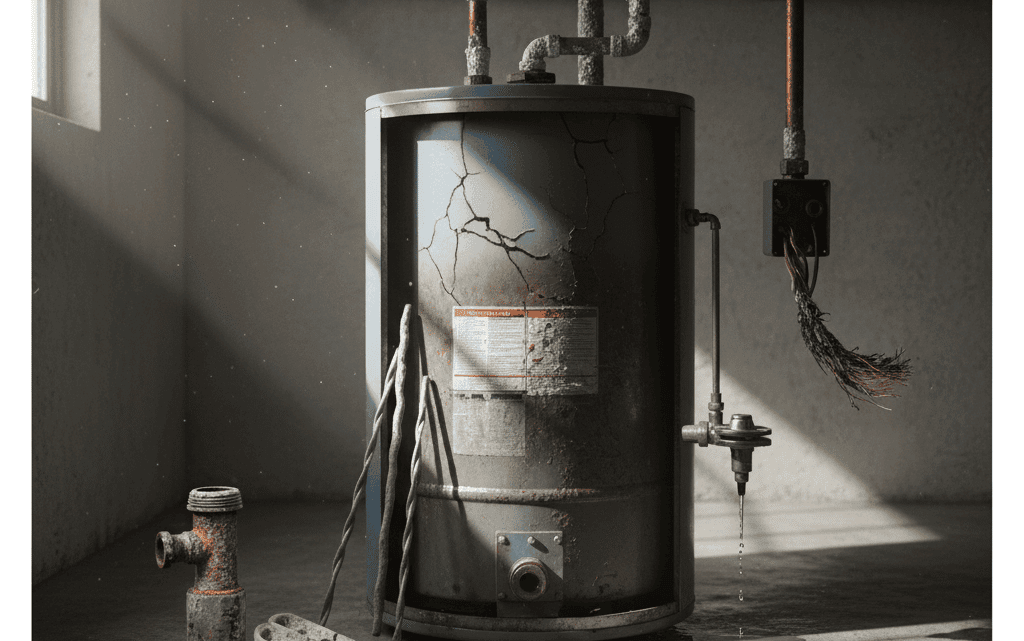
Common Water Heater Failure Causes
June 9, 2026A dependable water heater is one of those home systems most people only notice when something goes wrong. A sudden loss of hot water or a leaking tank can interrupt daily routines and add unexpected expense. Understanding the common water heater failure causes helps homeowners spot small problems before they become major headaches and make informed choices about repair and replacement.
This article breaks down the most frequent reasons water heaters fail and offers practical tips you can use right away. Read on for clear signs to watch for, simple maintenance steps to extend service life, and guidance on when to bring in a trained technician.
Common Water Heater Failure Causes that Lead to Service Calls
Several recurring issues account for most breakdowns. Age of the unit, mineral buildup, faults in heating components, leaks, and pressure problems are high on the list. Recognizing these causes will help you prioritize inspections and minor fixes that often prevent emergency situations.
- Mineral deposits and corrosion
- Thermostat and heating element malfunctions
- Leaks in tanks or connections
- Faulty pressure relief valves
- Problems with gas supply or electrical elements
Sediment Buildup and Tank Corrosion Explain Many Failures
Hard water contains calcium and magnesium that settle at the bottom of a water heater tank. Over time this sediment layer can cause several problems. It reduces heating efficiency and makes the burner or heating element work harder. Sediment can also lead to overheating of the tank bottom which increases the chance of cracking or ruptures.
How to recognize sediment and corrosion
Common signs include rumbling or popping noises from the tank and cloudy or discolored hot water. A telltale sign of advanced corrosion is rust colored water draining from faucets. If the tank shows visible rust around seams or fittings that is a critical warning.
Practical steps to reduce buildup
- Flush the tank once a year to remove loose sediment
- Install a water softener if your area is hard water heavy
- Replace anode rods when they are heavily consumed to protect the tank lining
Thermostat and Heating Element Failures in Electric Heaters
Electric water heaters rely on thermostats and replaceable heating elements. A failed thermostat will stop the heater from reaching set temperature. Burned out heating elements will leave you with little or no hot water at all. Wear and tear, loose wiring, and power surges are common triggers.
Troubleshooting tips for electric units
- Check breakers and fuses first to make sure the heater has power
- Listen for clicking or humming that can indicate relay or control board trouble
- Test elements with a multimeter before replacing them
Replacement elements and thermostats are often affordable, but if multiple components fail at once the labor and part costs can add up. In such cases comparing the repair bill to the cost of a new unit is a practical next step.
Leakage Sources from Tanks and Connections
Leaks are among the most urgent problems because they can cause water damage in living spaces. Small drips from pipe fittings can often be tightened. A leak at the drain valve can sometimes be fixed with a new valve. Leaks that come from the tank itself indicate internal corrosion and usually mean the heater needs to be replaced.
- Check connections at inlet and outlet pipes for loose fittings
- Inspect the drain valve and replace if it does not seal
- A tank leak appears as constant dripping or pooling at the tank base and calls for replacement
Pressure Relief Valve Problems and Overpressure Risks
The temperature pressure relief valve protects the tank from unsafe pressure and temperature increases. If it sticks or begins to leak it may indicate frequent pressure spikes or thermostat failure causing overheating. A relief valve that fails to open when it should poses a serious safety hazard.
Testing the valve by lifting the lever to allow water to flow is a simple check. If the valve does not release water or continues to leak after testing it should be replaced. Ignoring a defective relief valve increases the risk of a rupture and related water damage.
Gas Supply and Pilot System Issues in Gas Heaters
Gas water heaters depend on a steady gas supply and a reliable pilot or ignition system. Failure points include clogged pilot tubes, faulty thermocouples, and issues in the gas control valve. A smell of gas should be treated as an emergency and the gas company or a technician called immediately.
- Pilot will not stay lit when the thermocouple is failing
- Yellow burner flame may indicate incomplete combustion and needs inspection
- Intermittent heating often traces back to a bad gas valve or control board
Routine checks and scheduled service can catch pilot system wear before it becomes a major failure. Never attempt to repair gas components if you are not trained to work with gas systems.
Electrical Wiring and Control Failures Impact Safety and Performance
Water heater wiring errors and failing control systems represent both performance and safety concerns. Corroded electrical connections produce heat and can trip breakers. Ground faults or damaged wiring require immediate attention. For electric models look for signs of charred insulation, tripped breakers, or a buzzing sound near the control panel.
Regular inspections of wiring by a qualified specialist reduce the chance of fire related hazards. If you notice variations in water temperature that coincide with other appliances turning on that can point to shared circuit overloads requiring a dedicated line.
Maintenance Tips and When to Call a Professional
Routine maintenance stretches the service life of a water heater and limits unexpected breakdowns. Simple annual tasks include draining a few gallons to remove loose sediment, inspecting the pressure relief valve, and checking for visible leaks around fittings. For gas units check the venting and burner condition. For electric units test the elements and thermostat settings.
There are clear moments when a homeowner should reach out for trained help. If you detect a tank leak, smell gas, encounter electrical burning odors, or see major corrosion on the tank call for expert service. For more complex diagnostics and safe repairs consider scheduling a visit for professional water heater repair. A trained technician can test controls, replace worn parts, and advise whether repair or replacement is the more economical choice.
Choosing Between Repair and Replacement
Deciding whether to repair or replace depends on age, severity of the damage, repair cost, and expected remaining life. Water heaters often have a rated life of about 8 to 12 years. If a unit older than that has corrosion or a failed tank the sensible decision is replacement. For newer systems with single component failures a repair is usually the right move.
- Compare the repair estimate to the cost of a new unit including installation
- Factor in energy savings from modern models that use less fuel or electricity
- Consider local rebates and incentives for high efficiency models to lower replacement cost
Understanding the common water heater failure causes gives you a head start on keeping the system in good working order. Simple maintenance like periodic flushing and anode rod checks goes a long way. Watch for signs such as noisy operation, discolored water, fluctuating temperatures, and visible leaks. These clues point to specific failure modes and guide your next steps.
If you are unsure about a diagnosis or encounter a problem that involves gas or electricity call a trained technician. Quick action on early problems often saves money and avoids water damage. Schedule a service visit when safety related symptoms appear or when repair costs approach replacement value. Protect your home by being proactive and using expert help when needed.